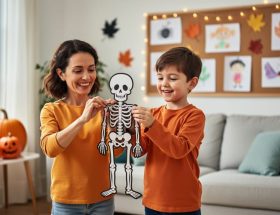
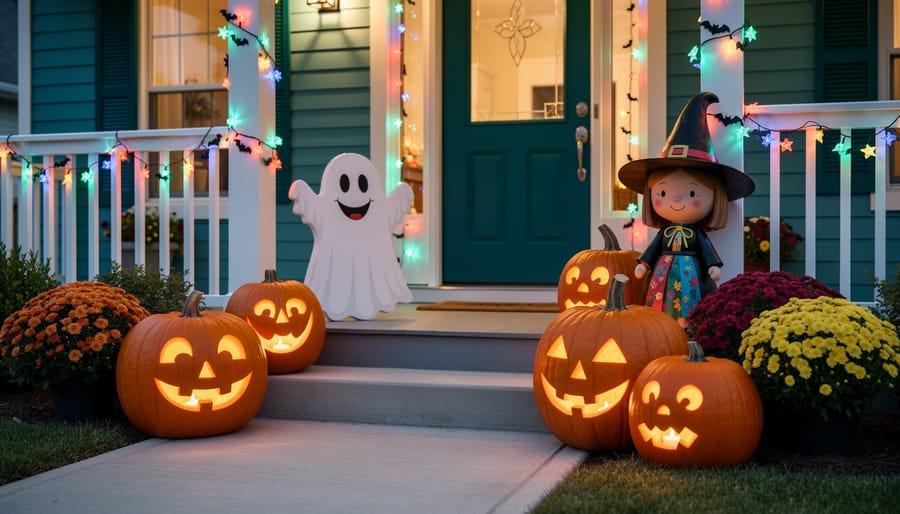
The best non-scary Halloween decorations for young kids focus on friendly characters, warm lighting, and interactive elements that create excitement without fear. Look for decorations featuring smiling pumpkins, cute ghosts, friendly witches, and harvest themes rather than gore or jump-scares. Your goal is to strike that sweet spot where your home feels festive enough for Halloween but safe enough that your three-year-old doesn’t refuse to come inside.
I learned this the hard way three years ago when my daughter spotted a motion-activated zombie in our neighbor’s yard and refused to walk past their house for weeks. That experience taught me what countless parents discover each October: what seems mildly spooky to adults can feel genuinely terrifying to young children.
The key is thinking like your child. Decorations at their eye level matter most, so skip the realistic spiders dangling at toddler height. Instead, choose oversized inflatable characters with cartoonish features, colorful string lights in shapes like bats or stars, and decorations your kids can actually touch and play with. Safety comes first too, which means securing any outdoor decorations properly, avoiding small pieces that become choking hazards, and keeping battery compartments locked away from curious fingers.
This guide walks you through exactly what to look for when shopping, which types of decorations work best for different age groups, and the common mistakes that can turn Halloween fun into a frightening experience. You’ll be able to create a home that celebrates the season while keeping your little ones happy and safe.
Why Age-Appropriate Halloween Decor Matters for Young Children
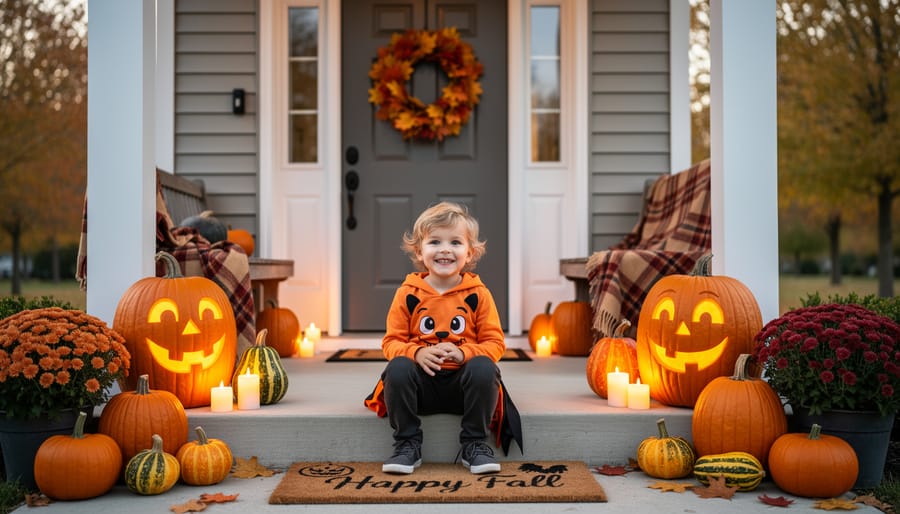
Young children experience the world differently than adults, and their ability to distinguish fantasy from reality is still developing between ages 2 and 6. What seems playful or mildly spooky to you might genuinely terrify a three-year-old who can’t yet understand that the zombie decoration in the yard isn’t real. Toddlers and preschoolers process visual information literally, meaning a decoration with sharp teeth, dark hollow eyes, or sudden movements can trigger real fear responses that linger long after Halloween ends.
When Halloween decorations match your child’s emotional readiness, the holiday becomes a joyful introduction to seasonal celebrations and community traditions. Kids can participate in decorating, feel excited about trick-or-treating, and associate Halloween with fun rather than anxiety. This sets a positive foundation for years of holiday enjoyment.
I learned this lesson the hard way with my oldest daughter. When she was four, I hung a motion-activated witch decoration near our front door, thinking it was more silly than scary. The cackling sound and jerky movements terrified her so badly that she refused to use the front entrance for two weeks. We ended up removing all our decorations that year and starting fresh with friendly pumpkins and colorful leaves. She helped me place smiling jack-o-lanterns on the porch, and her pride in “her decorations” completely changed her Halloween experience.
Respecting developmental stages isn’t about sheltering kids from all spookiness. It’s about reading your individual child and creating an atmosphere where they feel safe enough to enjoy the magic of the season.
What to Look for When Shopping: Key Buying Factors
Safety Features and Material Considerations
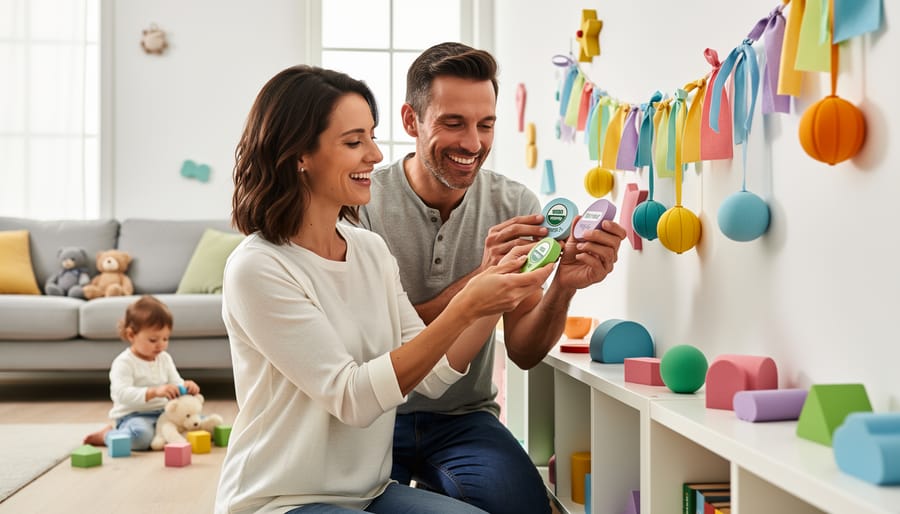
When you’re browsing aisles or scrolling online for Halloween decorations, it’s tempting to grab the cutest pumpkin or the fluffiest ghost without a second thought. But a quick label check can save you from real hazards, especially with curious toddlers who explore everything by touch and taste.
Start with materials. Look for products labeled non-toxic, particularly if your child might handle them during playtime. For fabric decorations like banners, garlands, or plush characters, choose less flammable fabrics or those treated with flame retardants. This matters near candles, fireplaces, or even outdoor fire pits at fall gatherings.
Before you buy, verify these safety essentials:
- Secure fastenings with no small parts that can detach and become choking hazards
- Battery compartments that require a screwdriver to open, especially for button batteries
- Smooth edges with no sharp wires or rough seams
- Cords that can be tucked away or are short enough to avoid strangulation risks
- Labels indicating age recommendations and safety certifications
Battery safety deserves extra attention. Light-up decorations are magical for young kids, but button batteries pose serious risks if swallowed. Always prevent easy battery access by choosing items with screw-secured compartments or keeping battery-operated decorations out of reach.
For outdoor decorations, check that electrical items are rated for outdoor use and that cords won’t stretch across walkways where little ones might trip. Indoor items should be lightweight if placed on shelves or mantels, just in case small hands decide to investigate.
Child-Friendly Visual Elements
Young children respond to visual cues differently than adults, and what seems playful to us can genuinely frighten a toddler. The difference often comes down to a few key design elements.
Facial expressions matter most. Look for decorations with upturned mouths, large round eyes, and soft features. A pumpkin with a traditional triangle-nose smile reads as friendly, while jagged teeth or empty black eye sockets can scare a three-year-old. Cartoon-style faces with exaggerated happy expressions work particularly well because they mirror the friendly characters kids know from their books and shows.
Color choices create emotional responses too. Bright oranges, sunny yellows, cheerful purples, and warm greens feel festive and fun. In contrast, stark black-and-white combinations, deep reds, or predominantly dark designs can feel ominous to young eyes. I learned this when my daughter, then two, refused to go near our front door because of a mostly-black wreath I thought was subtle and stylish.
Whimsical themes also help. Decorations featuring animals in costumes, dancing skeletons with silly poses, or ghosts clearly playing games signal “pretend fun” rather than “something scary.” Familiar characters from children’s media provide instant comfort because kids already trust these faces.
Pay attention to scale as well. Oversized decorations, even friendly ones, can overwhelm small children. A six-foot inflatable, no matter how cheerful its expression, might seem like a giant to a preschooler viewing it from their height.
Durability and Value for Families
When you’re choosing Halloween decorations for young children, think beyond just this year’s Halloween. The best purchases serve your family for multiple seasons and grow with your kids. Look for well-constructed items that can withstand enthusiastic little hands, reinforced stitching on fabric pieces, sturdy bases on standing decorations, and quality materials that won’t fade or tear easily.
Storage matters more than you might think. Decorations that fold flat, nest inside each other, or come with their own storage bags will save you precious closet space and frustration next October. Outdoor decorations need weather-resistant materials if you live somewhere with unpredictable fall weather, but indoor pieces can be lighter weight and more budget-friendly.
Consider whether decorations can serve double duty. Plush pumpkins and friendly monster figures often become beloved toys long after Halloween ends. Some families even resell used gear when their kids outgrow the gentler themes, recouping some of the initial cost.
Budget-friendly options like felt banners and paper decorations work beautifully for toddlers, while investment pieces like quality inflatables or light-up displays make sense if you’ll use them for years. Don’t feel pressured to buy everything at once, building your collection gradually lets you learn what your family actually enjoys and uses.
Interactive vs. Static Decorations
Interactive decorations transform young children from spectators into participants, making Halloween feel more like play than observation. Felt boards with movable pumpkins and ghosts, magnetic dress-up sets for the fridge, and reusable window clings let toddlers arrange and rearrange their environment, giving them creative control while building fine motor skills.
Static decorations certainly have their place, they create atmosphere without requiring supervision, but purely visual displays can feel “off-limits” to curious hands. When my daughter was three, she kept trying to rearrange our mantel decorations, which frustrated us both until we designated one low shelf as her “decorating spot” with items she could safely move.
The sweet spot? A combination. Use interactive pieces at child height where little ones can explore freely, then place delicate or breakable static decorations higher up where they’ll stay put. This approach satisfies young children’s natural desire to touch and explore while keeping your overall display intact throughout the season.
Types of Non-Scary Halloween Decorations Compared
Friendly Character Decorations
Friendly character decorations transform Halloween from spooky to sweet, making them perfect for toddlers and preschoolers. These decorations feature approachable designs with round shapes, big smiling faces, and bright colors that signal “fun” rather than “frightening.”
Inflatable characters are crowd favorites. Look for chubby pumpkins with silly grins, googly-eyed ghosts waving hello, or monsters in playful poses. The movement as they gently bob in the breeze adds entertainment value without startling little ones. They work beautifully for front yards and create excitement when kids spot them from the car.
Felt banners and garlands bring softness indoors. These often feature cartoonish characters strung together, think friendly bats with smiles, cheerful witches, or harvest animals like squirrels and owls. The tactile quality makes them safe for curious fingers, and many kids enjoy helping arrange them.
Plush decorations double as temporary toys. Stuffed pumpkins, fabric ghosts, and cuddly monsters can sit on mantels or shelves during October, then migrate to the playroom afterward. This multi-purpose aspect makes them worthwhile investments for families watching their decoration budget.
Nature and Harvest Themes
Nature and harvest themes offer the perfect solution for families who want seasonal decoration without any spooky elements. These decorations celebrate autumn itself, making them ideal for very young children or homes where you’re focusing purely on the harvest season.
Hay bales and corn stalks create an instant fall atmosphere on porches or in entryways. They’re sturdy enough for kids to sit on during photos and naturally child-friendly. Pair them with real or artificial pumpkins in various sizes, the classic orange varieties or white and blue heirloom types add visual interest without any carved faces.
Fall foliage decorations bring warmth indoors. Garlands made from fabric or foam leaves in red, orange, and yellow drape beautifully over mantels and doorways. Sunflower arrangements, whether fresh or high-quality silk, brighten spaces with cheerful yellow blooms that young children naturally love.
Autumn wreaths for your front door signal the season welcomingly. Look for versions featuring pinecones, berries, wheat stalks, and colorful leaves, they’re sophisticated enough for adult taste while remaining completely non-threatening to little ones. These nature-based decorations also transition beautifully into Thanksgiving, extending your decorating value.
Light-Based Decorations
Light-based decorations offer young children the magic of Halloween without the fright factor. Orange and purple string lights transform spaces into festive areas while remaining completely non-threatening. Battery-operated jack-o’-lanterns with friendly carved faces provide a warm glow without the fire hazard and heat of real candles, making them perfect for little ones who want to touch everything.
LED lanterns in pumpkin or ghost shapes with cheerful expressions work beautifully as nightlights during October, helping ease any darkness-related anxiety while keeping the holiday spirit alive. Look for projection lights that cast gentle images like stars, moons, smiling pumpkins, or autumn leaves onto walls and ceilings. These create a whimsical atmosphere that mesmerizes toddlers and preschoolers without overstimulation.
The softer the light, the better for young eyes and calm bedtimes. Avoid strobe effects, rapid color changes, or anything that flickers unpredictably. The best light decorations serve double duty, functioning as both festive decor and practical lighting that helps your child feel secure in spaces that might otherwise feel spooky as days grow shorter.
Interactive and DIY-Friendly Options
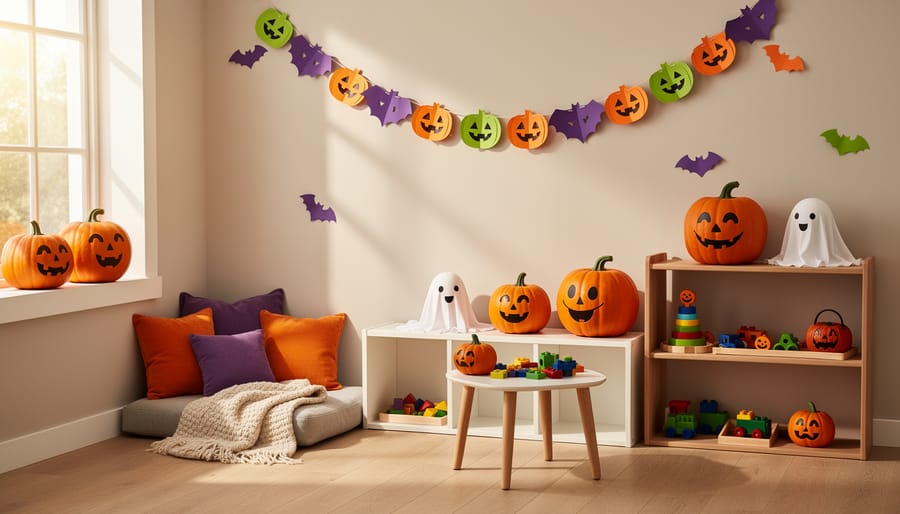
Interactive decorations transform Halloween from something kids passively observe into an activity they help create. Felt boards with removable pieces let little ones build their own Halloween scenes, swapping out pumpkins, friendly ghosts, and black cats throughout October. These develop fine motor skills while keeping kids engaged with decorations they control.
Reusable window clings offer similar benefits, children love arranging and rearranging fall leaves, smiling jack-o’-lanterns, and cute bats across sliding glass doors. They peel off cleanly without residue, making cleanup simple.
Magnetic decoration sets work beautifully on refrigerators and magnetic boards. Preschoolers can create daily Halloween displays at their level, fostering independence and creativity.
Craft kits designed for young children, think paint-your-own mini pumpkins, simple garland threading projects, or sticker-based decorating sets, give families a bonding activity that results in personalized decor. The decorations become more meaningful because your child helped make them, and you’re creating memories while checking decorating off your list.
Our Top Recommendations for Different Needs
Finding the right non-scary decorations depends on your family’s unique situation, budget, and what you hope to achieve with your Halloween setup. Here are recommendations tailored to common scenarios parents face.
For tight budgets and first-time decoratorsstart with versatile basics that deliver maximum impact without overwhelming your child or your wallet. A strand of orange or purple string lights (around $10-15) transforms any space instantly and can be reused year after year. Pair these with a few foam pumpkin cutouts or friendly ghost window clings (typically $5-8 per set) that your child can help place and rearrange. Dollar stores often carry felt decorations and paper banners featuring smiling characters that work beautifully for toddlers. This approach keeps your initial investment under $30 while creating a festive atmosphere your little one can enjoy safely.
For families with multiple young children of different ageschoose decorations that offer varying levels of engagement. A large inflatable friendly pumpkin or harvest scarecrow (usually $25-40) provides a focal point that even the youngest can appreciate from a distance, while older siblings enjoy watching it inflate. Combine this with interactive elements like magnetic Halloween scenes or reusable sticker sets that children ages 2-6 can manipulate independently. These fun Halloween decorations keep everyone entertained without creating age-inappropriate scares for your most sensitive child.
For outdoor decorators wanting neighborhood appeal without frightening effectsfocus on harvest and nature themes that celebrate autumn. Consider:
- Hay bales topped with colorful mums and non-carved pumpkins for classic fall charm
- Smiling jack-o’-lantern stakes or yard signs with cheerful expressions
- Solar-powered garden lights shaped like friendly ghosts or pumpkins
- Autumn wreaths featuring leaves, berries, and small fabric pumpkins
- Inflatable characters like happy cats or silly monsters that add whimsy during the day
This combination signals Halloween participation to neighbors while maintaining a welcoming, child-friendly vibe that won’t trigger nighttime fears when your toddler looks out the window.
For apartment dwellers or indoor-only decoratingmaximize vertical space with hanging decorations and wall clings. Felt garlands featuring pumpkins and leaves can drape across doorways or windows without damaging surfaces. Battery-operated flameless candles in kid-safe holders add gentle ambiance, while tabletop decorations like ceramic pumpkin families create conversation starters your child can interact with safely during meals.
Common Mistakes to Avoid When Decorating for Young Kids
One of the biggest mistakes parents make is underestimating how different decorations look in low light. That adorable smiling ghost you bought during the day can cast eerie shadows at dusk, especially with outdoor spotlights or porch lights creating unexpected effects. Always test decorations in evening lighting before committing to their placement, and consider how shadows might appear from a toddler’s eye level.
Another common pitfall is overdecorating to the point where your home feels overwhelming rather than festive. Young children can become overstimulated by too many moving parts, sounds, and visual elements competing for attention. One parent in our community shared how her daughter refused to enter their house because the combination of inflatable characters, projection lights, and motion-activated sounds created sensory overload. Start with a few key pieces and add gradually while watching your child’s response.
Many families also make the mistake of choosing decorations that match older siblings’ preferences without considering their youngest child’s comfort level. If you have kids obsessed with skeletons alongside a fearful three-year-old, designate specific areas for age-appropriate versus more traditional Halloween decor rather than mixing them throughout shared spaces.
Parents frequently forget to properly secure outdoor decorations, leading to wind-blown inflatables ending up in neighbors’ yards or lightweight items becoming tripping hazards. This is especially important when children play outside, as loose decorations can become safety concerns. Use proper stakes, weights, and weatherproof fasteners designed for your specific decoration type.
Finally, avoid purchasing decorations that coordinate with family Halloween costumes if those costumes feature characters your child finds scary. Just because your kindergartener agreed to dress as a witch doesn’t mean they want a life-sized witch greeting them at the front door every day for three weeks.
Frequently Asked Questions
What if I have older kids who want scarier decorations?
Consider creating zones in your home where age-appropriate decorations can coexist. Keep common areas and your younger child’s spaces friendly and bright, while allowing older siblings to decorate their own rooms with decorations that match their interests. This approach respects everyone’s developmental stage and helps prevent bedtime fears.
Will my neighbors think I’m not celebrating Halloween properly?
Most neighbors appreciate seeing homes decorated for the season, regardless of style. Non-scary decorations like harvest themes, friendly characters, and autumn lights still signal you’re participating in Halloween festivities. If you’re concerned about trick-or-treaters, a well-lit porch with cheerful pumpkins communicates welcome just as effectively as spooky displays.
Can I use the same decorations indoors and outdoors?
Check labels carefully, as indoor decorations often aren’t weather-resistant and can fade, mold, or become fire hazards if exposed to moisture. Outdoor-rated decorations typically cost more but withstand rain and sun. Battery-operated lights designed for indoor use may fail or become dangerous if used outside without proper weatherproofing.
How do I store non-scary decorations so they last multiple years?
Clean decorations before storing them to prevent mold and pest damage. Use clear plastic bins labeled by category so you can see contents without opening everything next year. Store inflatables deflated but not tightly compressed, and wrap string lights around cardboard to prevent tangling. Keep bins in climate-controlled spaces rather than damp basements or hot attics.
When should I transition to more traditional Halloween decorations?
Watch your child’s cues rather than following a set age. Some five-year-olds love mildly spooky elements, while some eight-year-olds still prefer friendly themes. Gradually introduce one or two slightly spookier items each year and see how your child responds. There’s no rush, and keeping Halloween fun matters more than matching what other families display.
Are interactive decorations worth the extra cost?
Interactive pieces like felt boards, magnetic sets, and reusable window clings offer excellent value because they engage your child beyond just looking pretty. Kids can rearrange them daily, which extends their entertainment value throughout October. This hands-on play also helps prevent the afternoon slump by giving restless toddlers and preschoolers a focused activity during that tricky pre-dinner hour.
Remember, you know your child best. If a decoration makes you hesitate because it might be too much, trust that instinct. Halloween should build happy memories, not create stress for your family.
Halloween can be every bit as magical for your little ones as it is for older kids, it just looks a little different. When you choose decorations that celebrate the season’s playfulness without the scares, you’re giving your toddler or preschooler the chance to build happy memories around this festive time of year. Those smiling pumpkins, twinkling lights, and friendly ghosts? They’re not just decorations. They’re your child’s first introduction to the joy of celebrating holidays with family.
Trust yourself. You know your child better than any buying guide ever could. If something feels too intense or overwhelming for your little one, it probably is, and that’s perfectly okay. There’s no award for having the spookiest house on the block, especially when you’re prioritizing your child’s comfort and developmental readiness.
We’d love to hear what’s worked for your family. What non-scary decorations have become favorites in your home? Have you discovered creative ways to make Halloween feel festive without the fright factor? Share your stories and recommendations with our Snuggle Mama community. Your experience might be exactly what another parent needs to hear.