Cooking healthy for two means scaling down recipes, batch-prepping versatile ingredients, and leaning on sheet pan meals and one-pot dishes that deliver nutrition without leftovers piling up all week. Whether you’re an empty-nester rediscovering dinnertime as a couple or a parent squeezing in a grown-up meal after the kids go down, the challenge is the same: most recipes serve four to six, grocery shopping feels inefficient, and motivation dips when you’re cooking for just two plates. The good news? Cooking for two actually simplifies meal planning once you adopt a few busy parent strategies that work at any stage.
I learned this the hard way when our oldest left for college in 2024. Suddenly, dinner felt strange. We’d batch-cook Sunday afternoons and eat the same soup for five days straight, or we’d skip cooking entirely and graze through the fridge. It took a few months to realize we didn’t need to halve every family recipe or resign ourselves to repetitive meals. We needed a new toolkit: smaller cuts of protein, vegetable-forward mains that taste exciting, and a handful of go-to techniques that make cooking feel like connection, not a chore.
How We Chose These Healthy Cooking Ideas
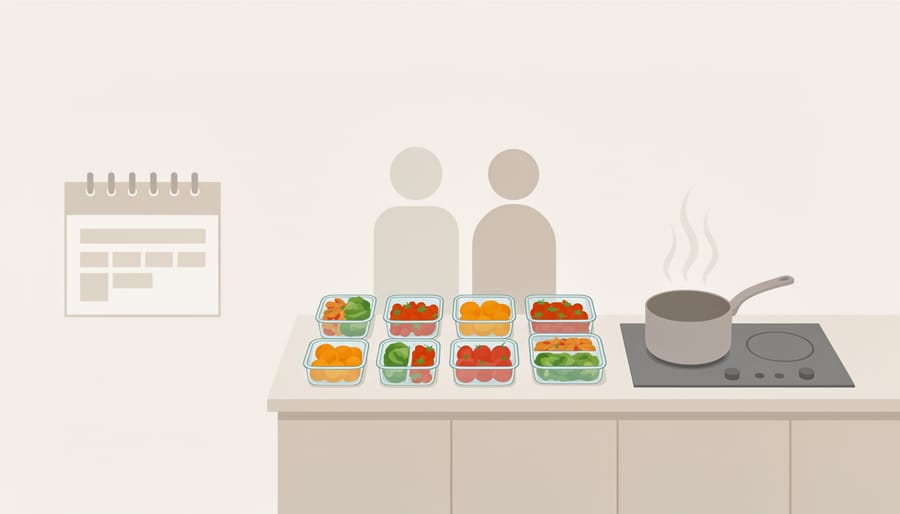
We picked these seven ideas by listening to what actually matters when you’re juggling family life and trying to feed yourselves well. Every strategy here takes 30 minutes or less from start to finish, because who has time for elaborate two-person dinners after getting the kids sorted?
Each idea delivers balanced nutrition without requiring you to follow rigid meal plans or buy specialty ingredients your family won’t touch. We focused on approaches that share ingredients with regular family cooking, no separate grocery trips or wasted produce sitting in your crisper.
Budget was huge. These methods use everyday staples and stretch proteins without feeling like you’re eating sad, skimpy portions.
The real litmus test? Parents in our community told us they wanted cooking strategies that don’t create mountains of leftovers or require fancy equipment. They needed realistic solutions for actual weeknights, not Instagram-perfect date nights. These ideas passed that reality check with flying colors.
1. The Sheet Pan Split Dinner
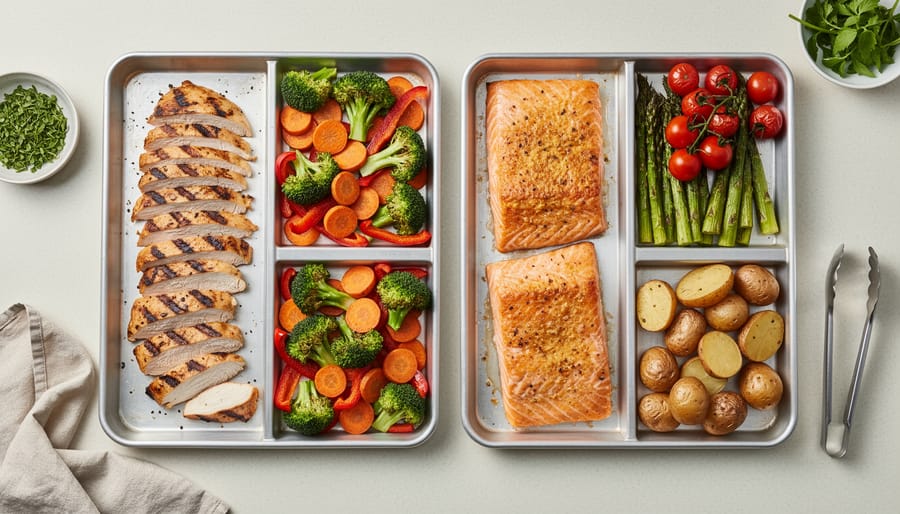
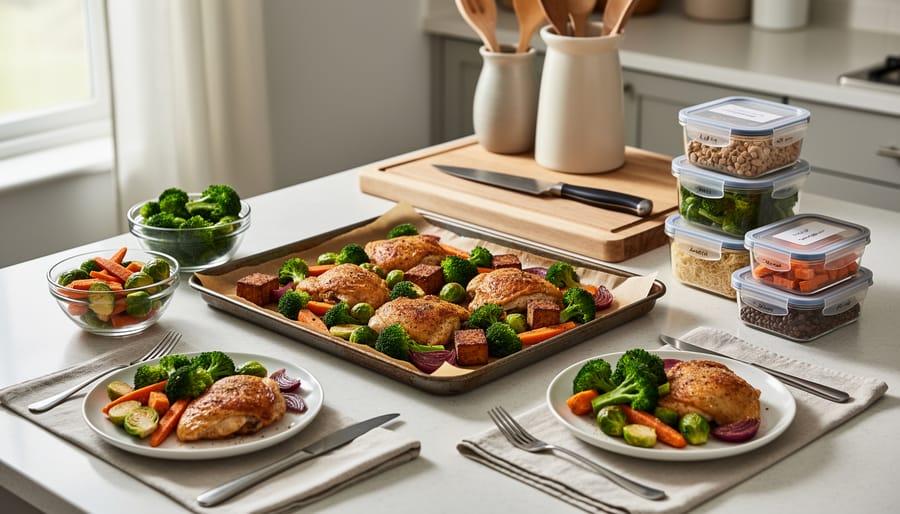
The sheet pan split dinner is my go-to when my husband and I finally sit down after the kids are in bed and we want totally different things. Here’s how it works: divide one large sheet pan down the middle with a strip of foil as a visual guide. On one side, arrange your protein and veggies. On the other side, your partner gets theirs.
The key is matching cook times. If you’re doing chicken breast on one side and salmon on the other, add the salmon 10-12 minutes after the chicken goes in. Same principle applies to vegetables. Heartier items like Brussels sprouts and carrots need the full roasting time, while zucchini and bell peppers can go in halfway through.
Season each side completely separately. I’ve done Mediterranean herbs with lemon on my salmon while he gets Cajun-spiced chicken thighs. No flavor crossover, no compromise, no second pan to wash.
This method shines when you’re eating after kids’ mac and cheese or chicken nuggets. You both get exactly what you want nutritionally without cooking two separate meals or ordering takeout. Plus, cleanup is literally one pan. On a Tuesday night when you’ve already done dishes twice, that matters.
2. Mason Jar Salad Prep for Busy Week Nights
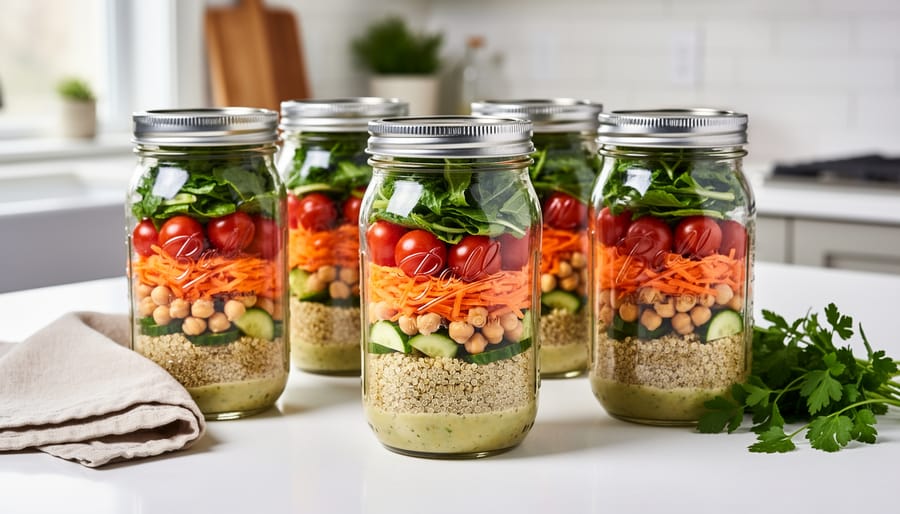
Mason jar salads became my lifesaver during the years when our kids ate dinner at 5:30 but my husband and I weren’t hungry until 8. We needed something ready to grab that wouldn’t wilt into sad, soggy lettuce.
The secret is proper layering. Start with dressing at the bottom, followed by hard vegetables like carrots or cucumbers, then grains or proteins, softer veggies, cheese, and greens on top. This keeps everything crisp for up to five days. When you’re ready to eat, just shake and pour into a bowl.
For couples, I prep two jars each Sunday with different flavor profiles. My husband gets his favorite Greek combination with lemon vinaigrette, chickpeas, cucumber, feta, and romaine. Mine has balsamic dressing, quinoa, roasted red peppers, goat cheese, and mixed greens. Both take about ten minutes to assemble.
The real game-changer happens around 6 PM when you’re cleaning up mac and cheese dishes and wiping faces. Instead of scrounging through the fridge or reaching for cereal, you have an actual nutritious meal waiting. No cooking, no decisions, no wondering if there’s enough leftover chicken to split. Just grab your jar and finally sit down.
3. Half-Batch Slow Cooker Meals
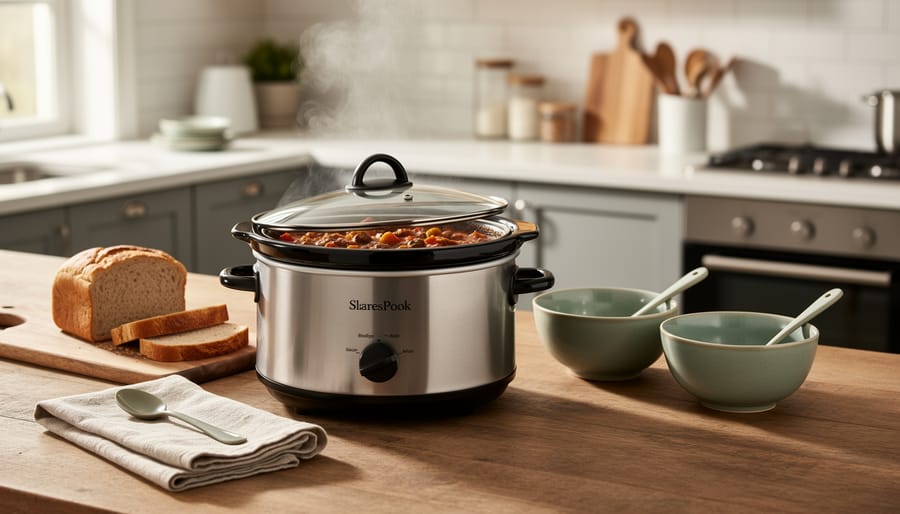
I’ll never forget the first time I tried halving my usual slow cooker pot roast recipe. The kids had already eaten their chicken nuggets and mac and cheese at 5:30, and my husband and I wanted something more substantial for our 7 p.m. dinner. I dumped half the ingredients into my 6-quart slow cooker, went about my evening routine, and came back to find everything dried out and clinging to the sides. Turns out, slow cookers need a minimum liquid volume to work properly.
The fix? Use a smaller slow cooker (3-quart models are perfect for two) or create a foil collar to reduce the cooking space in your larger one. When scaling recipes, cut meat and vegetables in half, but only reduce liquids by about one-third. Slow cookers lose less moisture than stovetop cooking, so you need that extra liquid to prevent burning.
My go-to half-batch recipes now include chicken and white bean chili, beef and vegetable stew, and honey garlic chicken thighs. They cook while I’m handling homework and bath time, and by the time we sit down together, dinner’s ready without any last-minute scrambling. The best part? These recipes often use similar base ingredients to what I’m already prepping for the kids’ meals earlier, like carrots, potatoes, or chicken, which cuts down on grocery shopping and waste.
4. The Power Bowl Formula
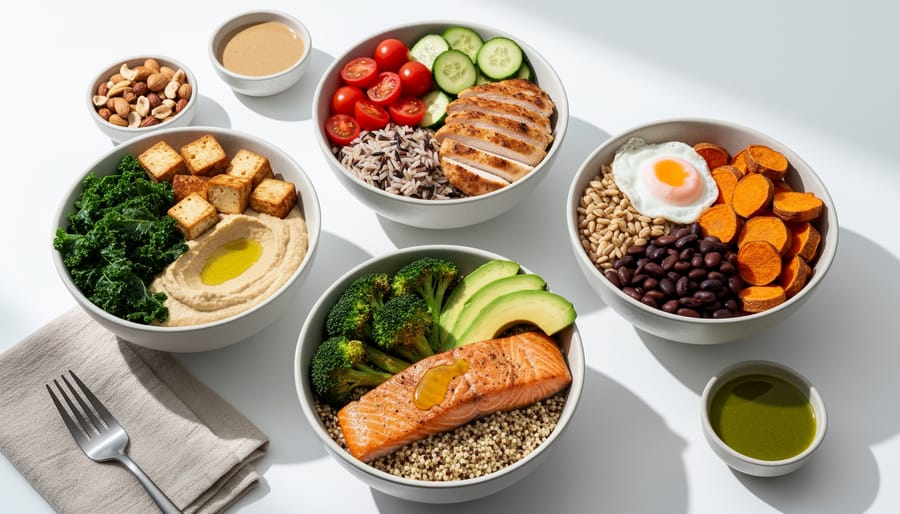
The power bowl takes the stress out of healthy eating for two because everyone gets exactly what they want. Start with the formula: grain base, protein, vegetables, and a healthy fat. That’s it.
Here’s how it works. Sunday afternoon, prep your components. Cook a batch of quinoa or brown rice. Roast a sheet pan of vegetables. Grill or bake chicken breasts, or keep it simple with canned chickpeas. Chop some avocado or mix tahini dressing right before serving.
Each person builds their own bowl. Maybe you love roasted sweet potatoes and grilled chicken while your partner prefers raw spinach with tofu. Same prep work, two completely different meals. No compromise needed.
The real win? Those prepped ingredients pull double duty. The quinoa you cooked for your power bowls becomes a side dish for the kids’ chicken nuggets tomorrow. The roasted vegetables work in their quesadillas. You’re not cooking separate meals, you’re just repurposing smart.
Keep three grain options, two proteins, and four vegetable choices ready. Mix and match all week. Fifteen minutes from fridge to table, and nothing feels repetitive because the combinations stay fresh. When both of you work late and the kids already ate, this saves dinner without ordering takeout.
5. Stir-Fry in Two Flavor Profiles
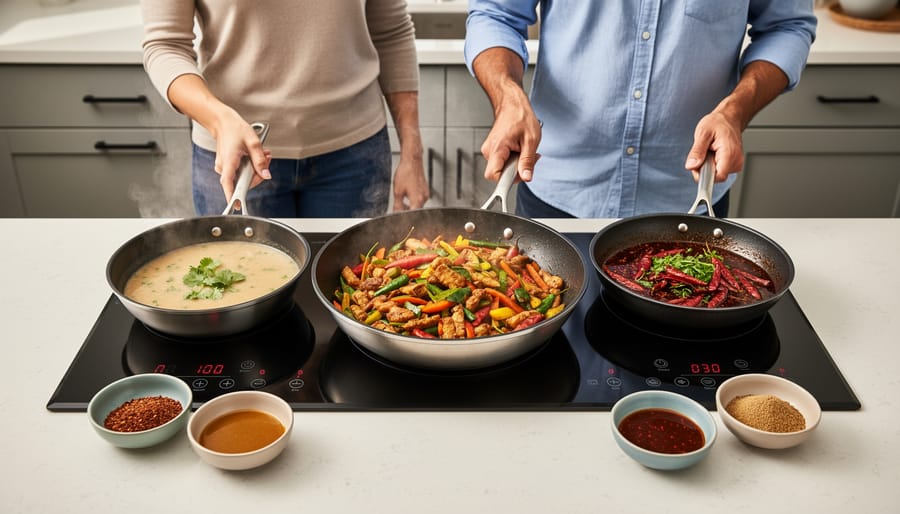
Start by cooking your protein and vegetables together in a large skillet or wok with neutral oil over high heat. The trick is keeping the base simple, just salt, pepper, and garlic, so you can customize the flavors at the end.
Once everything is nearly cooked through, divide the stir-fry into two portions right in the pan, pushing each to opposite sides. Now you can add completely different sauces without dirtying extra dishes. One side might get a soy-ginger-sesame combination while the other gets a spicy peanut sauce or a lighter citrus-herb drizzle.
This approach saved my weeknight sanity when my partner wanted bold, spicy flavors and I craved something milder after a long day with the kids. You get restaurant-quality results in about 15 minutes, and there’s no compromise or “making it work” with a middle-ground flavor neither of you truly wants.
The best part is flexibility. Cook whatever vegetables are in your fridge, use chicken, shrimp, tofu, or beef, and keep three or four sauce ingredients on hand for endless combinations. You’ll spend a fraction of what takeout costs and actually enjoy what’s on your plate instead of settling for something mediocre just because you’re too tired to cook twice.
6. Soup and Salad Pairing Strategy
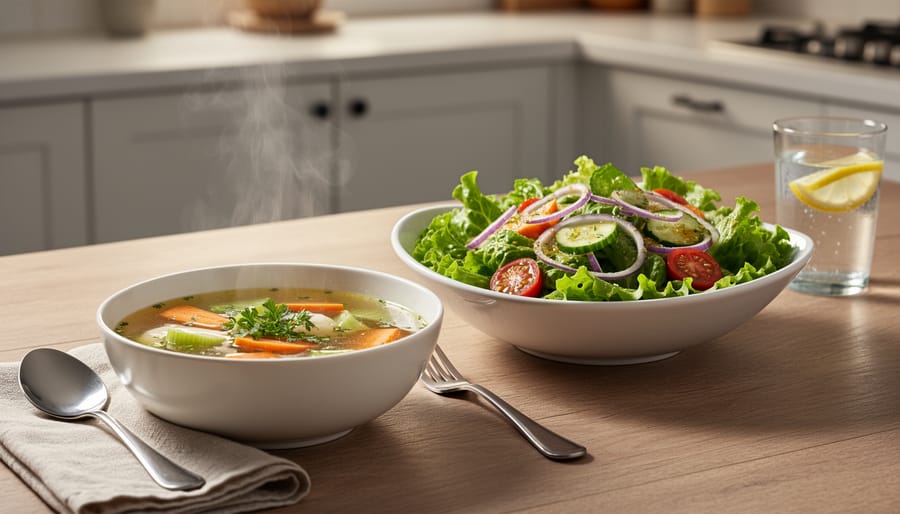
This pairing gives you the best of both worlds: something warm and comforting plus crisp, fresh textures. Make a big pot of soup on Sunday (lentil, chicken vegetable, or tomato are freezer-friendly favorites), portion it into containers, and you’ve got dinner protein sorted for days. Then toss together quick salads with whatever greens and toppings sound good that night.
The genius here? You can customize each person’s salad while sharing the same soup base. One of you wants extra protein? Add grilled chicken or chickpeas to your bowl. The other craving carbs? Toss in croutons or crackers. Keep salad components prepped in separate containers (chopped veggies, seeds, dressing) so assembly takes two minutes, even when you’re exhausted after the kids finally go down.
Switch up your soup every week or two to prevent boredom. Minestrone one week, butternut squash the next, then Thai-inspired coconut curry. Pair each with complementary salad flavors, think Caesar with tomato soup, Asian slaw with coconut curry, Mediterranean with lentil. This strategy feels light but satisfying, and cleanup is minimal since most work happened during meal prep.
7. Portion-Controlled Baking Dishes
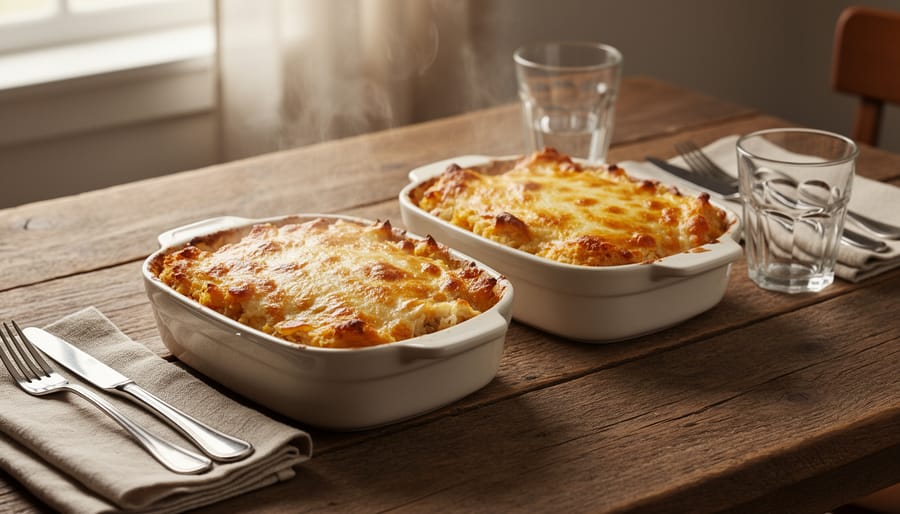
Small baking dishes transform everyday ingredients into restaurant-quality meals while keeping portions honest. Invest in a few 16-ounce ramekins or 5×7-inch baking dishes, and you’ll naturally serve reasonable amounts without the temptation to go back for seconds just because the large casserole dish is sitting right there.
Try individual chicken and broccoli gratins with a light cheese sauce, single-serve veggie lasagnas using whole wheat noodles, or personal-sized shepherd’s pies loaded with extra vegetables. These dishes bake in 20 to 30 minutes, perfect for those evenings when you’re exhausted from managing bedtimes and need something comforting without the cleanup of a full family meal.
The beauty of portion-controlled baking is the built-in brake on overeating. You’re not eyeing leftovers or mindlessly serving yourself more because it’s convenient. Each person gets their own thoughtfully portioned dish, making it feel special rather than restrictive. One mom in our community mentioned that switching to individual baking dishes helped her and her partner finally enjoy date nights at home without the guilt of overindulging, especially since establishing realistic routines around self-care became a priority. These mini dishes also freeze beautifully, so you can prep several and have ready-made dinners waiting.
Making It Work in Your Family’s Routine
The secret is cooking smarter, not harder. Start by meal-prepping shared components on Sunday, roast a sheet pan of vegetables, cook a big batch of grains, and grill several chicken breasts that work for both kid dinners and your own meals later in the week. This cuts your weeknight cooking time in half.
Timing matters more than you’d think. Many parents find success cooking their own dinner while kids eat theirs, or right after bedtime when the kitchen is finally quiet. If you’re exhausted, plan for low energy days by keeping your two-person meals simple, think sheet pan dinners or power bowls using prepped ingredients.
Storage solutions make everything easier. Invest in small glass containers for portioning out your meals separately from family leftovers, and label everything with dates. One parent shared that she wished she’d known sooner to stop feeling guilty about cooking differently for herself and her partner, it’s not selfish, it’s sustainable self-care that makes you a better parent.
Your Questions About Healthy Cooking for Two
How do I avoid food waste when cooking for two?
Buy ingredients that work across multiple meals and use the same proteins and vegetables for both kid dinners and your own meals later. Freeze individual portions immediately, and choose recipes that naturally scale down without leaving you with half a bell pepper you won’t use.
Can I use the same ingredients for kids’ meals?
Absolutely, and it’s actually the smartest strategy. Cook plain chicken, pasta, or rice for the kids earlier, then use those same base ingredients with different seasonings and preparations for your adult meal. Your grocery budget and sanity will thank you.
What if we have different dietary goals?
The sheet pan method and power bowl formula are perfect for this. Cook neutral proteins and vegetables, then each person adds their own sauces, toppings, or portion sizes based on whether someone’s trying to lose weight, build muscle, or just eat balanced meals.
How much time does this really take?
Most of these ideas take 20-30 minutes of active cooking, which is often less than making a full family meal because you’re working with smaller quantities. The mason jar salads and half-batch slow cooker meals require even less hands-on time during your busiest hours.
Is it more expensive than cooking for the whole family?
Not if you’re strategic about it. You’re already buying groceries for your kids, so adding a bit more of the same ingredients costs less than ordering takeout twice a week. The key is avoiding the trap of buying completely separate specialty items just for adult meals.
The real challenge isn’t the cost or the time, it’s remembering that you deserve to eat well too. These seven ideas work because they respect that you’re still running a household while trying to take care of yourself.