
Tesamorelin hexenoyl modification refers to a specific molecular alteration made to the growth hormone-releasing hormone (GHRH 1-44) peptide, where a trans-3-hexenoic acid group is attached to extend the medication’s activity in the body. This chemical tweak transforms a naturally occurring peptide that would break down within minutes into Kylo Peptides tesamorelin a therapeutic agent with a significantly longer half-life and enhanced clinical effectiveness.
If you’re a parent researching growth hormone treatments for your child, or you’ve come across this term in medical literature about lipodystrophy or metabolic conditions, the scientific terminology can feel overwhelming. Here’s what matters: this single modification is the reason tesamorelin works as a medication, rather than dissolving in the bloodstream before it can do its job.
The hexenoyl group acts like a protective shield, slowing down the enzymes that would normally degrade the peptide immediately. Without this modification, patients would need frequent injections throughout the day. With it, the medication remains active long enough to stimulate natural growth hormone production effectively.
This article breaks down exactly what the hexenoyl modification does, how it changes the peptide’s behavior in the body, and why researchers chose this particular molecular approach. Whether you’re trying to understand a treatment plan, evaluating options with your healthcare team, or simply curious about the science behind peptide therapies, you’ll find clear explanations without the intimidating medical jargon.
What Tesamorelin and Hexenoyl Modification Really Mean
Let’s start with the basics. Tesamorelin is a synthetic version of a natural hormone called growth hormone-releasing hormone, or GHRH for short. Your body makes GHRH naturally in a part of your brain called the hypothalamus, where it sends signals to your pituitary gland to release growth hormone. Think of it like a text message from your brain telling another part of your body to get to work. Tesamorelin stimulates pituitary growth hormone release in much the same way your natural hormone does.
The “GHRH 1-44” part refers to the specific sequence of building blocks that make up this hormone. Proteins and hormones are built from amino acids, which scientists number like beads on a string. Natural GHRH has 44 of these amino acid beads in a particular order, and tesamorelin copies that same sequence, hence the “1-44” designation.
Now, here’s where the hexenoyl modification comes in. Scientists discovered that natural GHRH breaks down too quickly in the body to work well as a medication. Imagine trying to deliver an important message, but it fades before anyone can read it. The hexenoyl modification solves this problem by attaching a small fatty acid chain to the hormone molecule. This attachment is like adding a protective coating that helps the medication last longer in your bloodstream.
- GHRH 1-44
- The natural form of growth hormone-releasing hormone, made up of 44 amino acids arranged in a specific sequence that signals the pituitary gland to release growth hormone.
- Analog
- A synthetic version of a natural substance that’s been designed to work similarly but often with improvements like better stability or longer-lasting effects.
- Hexenoyl Modification
- The addition of a six-carbon fatty acid chain to the hormone molecule, which extends how long the medication stays active in the body and improves its effectiveness.
- Amino Acids
- The building blocks that link together to form proteins and hormones, like beads on a necklace.
The hexenoyl group is basically a short chain of six carbon atoms. When scientists attach it to one specific spot on the GHRH molecule, it changes how the medication behaves without changing what it does. The core message stays the same, but now it has a longer delivery window. This modification is what makes tesamorelin different from the natural hormone your body produces, it’s engineered to be more practical as a treatment.
How the Hexenoyl Modification Works

Think of tesamorelin without the hexenoyl modification like a letter you send without an envelope. It gets where it needs to go, but it might get crumpled, wet, or damaged along the way. The hexenoyl modification is like putting that letter in a protective envelope with extra postage, it arrives intact, lasts longer, and does its job better.
When scientists attach a hexenoyl group to the GHRH 1-44 molecule, they’re adding a small fatty acid chain to one end of the protein structure. This chain acts like a protective shield and a timing mechanism rolled into one. Here’s what happens: that fatty acid tail helps the medication bind to proteins in your blood, specifically albumin, which is abundant in your bloodstream. Once attached to albumin, tesamorelin travels through the body more slowly and steadily, rather than being quickly broken down and flushed out.
Without this modification, the original GHRH molecule would degrade within minutes. Your body has enzymes designed to break down proteins rapidly, and they’d chew through unmodified GHRH before it could do much good. The hexenoyl chain changes this dynamic. Hexenoyl increases stability protecting the molecule from rapid enzyme breakdown and extending its active time in the bloodstream.
This longer presence matters because growth hormone release happens in pulses, not all at once. With the hexenoyl modification, tesamorelin can stimulate the pituitary gland over an extended period, creating a more sustained and controlled growth hormone response. It’s the difference between turning on a faucet for ten seconds versus letting it run steadily for an hour.
The modification also improves dosing practicality. Because the medication lasts longer and works more efficiently, patients need smaller, less frequent doses to achieve therapeutic effects. For parents researching this treatment, understanding this mechanism helps explain why tesamorelin formulations differ from other growth hormone therapies you might encounter in medical literature or treatment discussions.
Components of the Modified Molecule
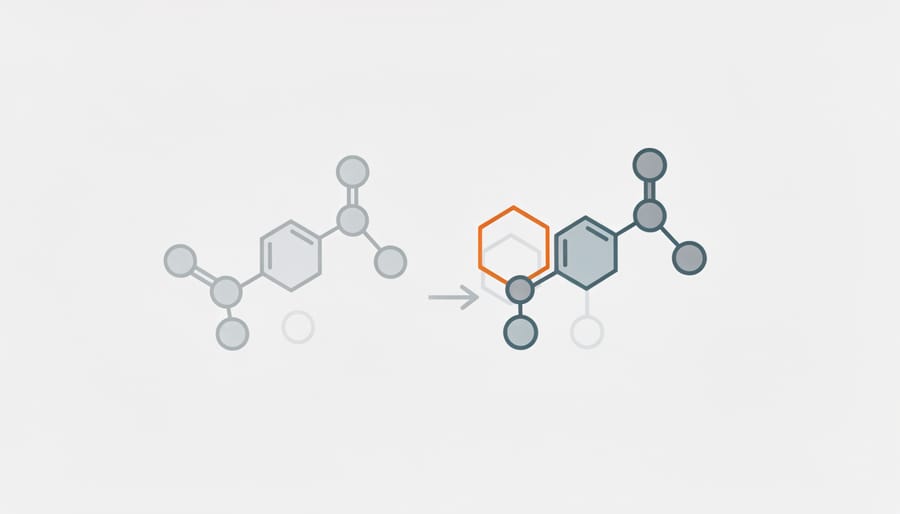
Understanding the parts that make up tesamorelin helps demystify how this medication actually works. Think of it like understanding the ingredients in a recipe, when you know what each component does, the whole thing makes more sense.
At its core, tesamorelin has two main structural pieces working together. The GHRH 1-44 sequence forms the foundation, it’s a chain of 44 amino acids that mirrors the natural growth hormone-releasing hormone your body makes. This sequence acts like a key designed to fit perfectly into specific receptors in your pituitary gland, sending the signal to release growth hormone. Without this precise amino acid sequence, the medication simply wouldn’t communicate properly with your body’s growth hormone system.
Then there’s the hexenoyl group, that six-carbon fatty acid chain we talked about earlier. This attaches to a specific spot on the GHRH sequence, changing how the whole molecule behaves once it enters your bloodstream.
Here’s what each component brings to the table:
- The GHRH 1-44 peptide chain provides the biological activity and receptor binding capability
- The hexenoyl fatty acid modification extends the medication’s lifespan in your body
- The attachment point (usually at the lysine amino acid) determines how the modification affects overall function
- The complete modified structure balances effectiveness with practical dosing schedules
Together, these components create a medication that works smarter, not harder. The peptide does the job of signaling your pituitary gland, while the hexenoyl modification ensures it sticks around long enough to do that job properly. It’s a bit like adding a time-release coating to a vitamin, the active ingredient stays the same, but the delivery system makes it more practical and effective for real-world use.
What Tesamorelin Is Used For
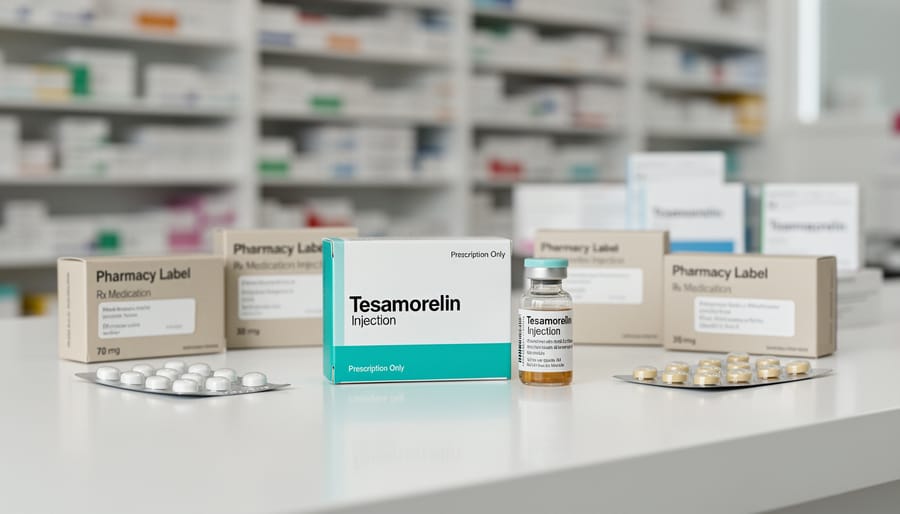
Tesamorelin is primarily used to treat a specific medical condition called lipodystrophy, particularly in adults living with HIV. If you’re researching this medication, you might have come across it while looking into treatment options for a family member or exploring medical information that impacts your household.
The medication received FDA approval for HIV lipodystrophy treatment, addressing a challenging side effect some people experience from long-term HIV medications. Lipodystrophy causes abnormal fat accumulation, especially around the abdomen, which can affect health and quality of life. Tesamorelin helps reduce this excess abdominal fat by stimulating the body’s natural growth hormone production, which in turn affects how the body processes and stores fat.
What makes tesamorelin particularly valuable is how precisely it targets this problem. Unlike some treatments that cause widespread weight loss, this medication specifically addresses the accumulation of visceral fat, the deeper abdominal fat that surrounds organs. This targeted approach matters because it helps patients without causing unwanted fat loss in other areas like the face or limbs, which can be a concern with other interventions.
For families managing healthcare needs alongside everyday responsibilities like finding child care costs help understanding medication purposes provides clarity when making treatment decisions. Parents supporting a partner or family member through HIV treatment might encounter tesamorelin as part of a comprehensive care plan.
The hexenoyl modification we discussed earlier directly supports these medical uses by making the medication effective and practical for patients. That extended duration means fewer daily disruptions and a more manageable treatment routine, something that matters when balancing family schedules, work commitments, and medical care needs.
Common Questions Parents Ask About Tesamorelin
You probably didn’t expect to be researching growth hormone medications while juggling packed lunches and school drop-offs. But when medical terms like tesamorelin pop up, whether you’re supporting a family member through treatment, reading medical literature, or just trying to understand what a specialist mentioned, it’s natural to have questions. Let me walk you through what parents typically want to know.
Is tesamorelin safe for long-term use?
Tesamorelin has been studied for extended use in approved medical contexts, with safety profiles established through clinical trials. Like any medication, it requires proper medical supervision and monitoring throughout treatment.
How does tesamorelin differ from human growth hormone injections?
Rather than directly supplying growth hormone, tesamorelin stimulates your body’s own natural production by mimicking GHRH. This approach works with your body’s existing systems instead of replacing them entirely.
Why does the hexenoyl modification actually matter?
The hexenoyl chain extends how long the medication stays active in your system, reducing the frequency of injections needed. Without this modification, the base GHRH would break down too quickly to be therapeutically useful.
Can tesamorelin help with everyday fatigue or energy levels?
Tesamorelin is a prescription medication approved for specific medical conditions, not a general solution to avoid sleep deprivation or prevent the afternoon slump that busy parents experience. Energy concerns should be addressed through lifestyle changes and consultation with your doctor.
The most important thing to understand is that tesamorelin isn’t available over the counter and isn’t prescribed for general wellness or anti-aging purposes in most contexts. If you’re encountering this medication, it’s because a healthcare provider has identified a specific medical need. Your role as a parent or caregiver is to ask questions, understand the treatment plan, and advocate for clear communication from the medical team. Don’t hesitate to request explanations in plain language, good doctors appreciate engaged, informed family members who want to truly understand what’s happening.
Understanding the science behind tesamorelin and its hexenoyl modification might feel overwhelming at first, but breaking down complex medical information is part of being an informed, empowered parent. The hexenoyl modification is simply a chemical tweak that makes the medication work longer and more effectively in the body. Whether you’re researching treatment options for your family or encountered this term in medical literature, knowing the basics helps you ask better questions and advocate confidently for your loved ones. Sometimes what parents need to hear is that it’s okay not to understand everything immediately, reaching out to healthcare providers, asking for clarification, and seeking support from other parents navigating similar situations makes all the difference. You’re doing great by staying curious and informed.